


Is it just me, or do you also have a version of yourself that exists only in your head?
She wakes up early. Her morning doesn’t involve scrolling. She reads every book stacked on her nightstand, replies to messages promptly, goes to the farmer’s market on Saturday, keeps a journal, cooks real dinners, never skips her skincare. She is someone who does things: consistently, almost effortlessly, always.
You know this version of yourself well. You’ve been meaning to become her for a while now. But let’s take a moment to release the guilt you feel for not being her. Because she isn’t real. None of us are perfect, and a perfect version of yourself simply doesn’t exist.
What does exist, though, is room to grow. Room to try. Room to do a little better for yourself, and it starts with something so simple: by simply starting.
Because honestly, that’s how it was for me. The time I spent wondering whether to change careers before I actually changed careers, the mental energy I burned imagining how I’d make it work before I ever took a real step… it all looked so small once I finally did it. That’s when I understood that one of the most important life skills isn’t dreaming of a perfect version of yourself but learning to start without being one.
If you’re someone who tends to play out every scenario in your head before taking action and then wonders why you didn’t start sooner, or if you make the most detailed plans and still can’t seem to follow through, this one is for you.
Here are a few ideas I genuinely believe in when it comes to how to be someone who actually does things. As always, if you have thoughts of your own, I’d love to hear them in the comments.
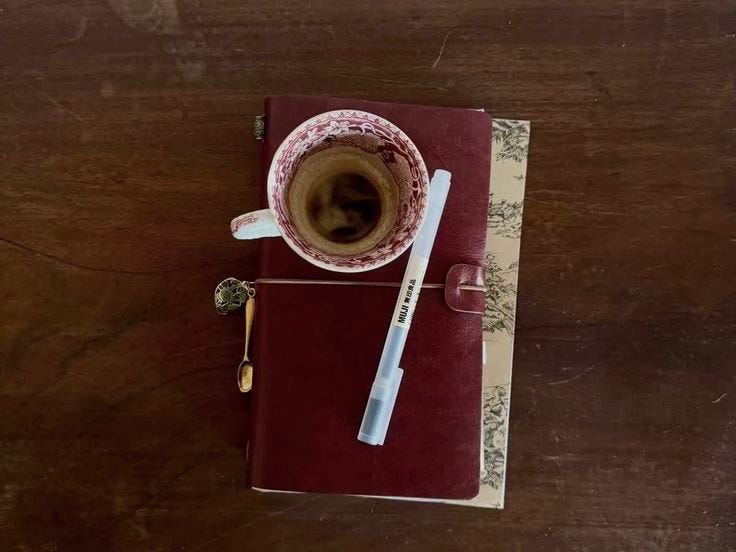
Find your why
I think actions have reasons and if you want to take action on anything — planning a trip, starting a business, building a life with a little less rotting —I honestly believe you need to find your “why.”
Why do you want to take that action, because your reasoning matters. It’s what fuels your actions. So first things first, start by finding your “why”. And be specific, I don’t think a vague “I want to be better” or “I should be more disciplined” will be that effective. Think about why the action you want to take is actually important to you.
Maybe you want to write because you have always felt most like yourself when you do. Maybe you want to move your body because you watched someone you love lose their health and you understood, suddenly, what a gift yours is. Maybe you want to build something because you are tired of feeling like life is just happening to you. Whatever it is, find it, name it, and keep it close.
Motivation will come and go. That’s normal. That’s human. But your why is what you return to on the days when showing up feels pointless. So start there.
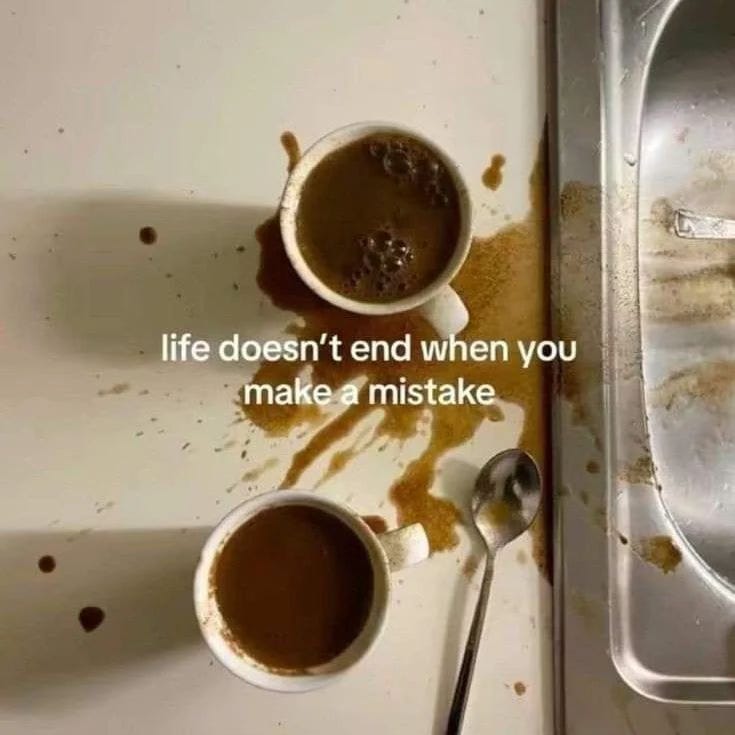
Done is better than perfect
This might sound a little counterintuitive, but in my experience, the less you overthink something before starting, the easier it actually is to begin. In work and in life, we can get so caught up in calculating every possible outcome that we lose sight of the bigger picture entirely.
And I think this applies to even the smallest daily habits. Imagine a girl who reads extensively about how to meditate correctly before ever sitting down to try and then she gives up because she couldn’t do it the “right” way. Now imagine someone else who finds a random meditation video, follows it imperfectly, and simply doesn’t mind. The second girl keeps going. Not because she is more disciplined, but because she is less attached to doing it perfectly.
We can lose ourselves in the plans we make to be great at something, and drift further away from the thing itself. What matters is starting. This doesn’t mean ignoring risks or skipping research, it means finding the balance where being bad at something is never a reason enough not to begin.
Actually, the worse you are at it, the better
Because the gap between knowing how something works and actually being able to do it is only ever crossed by doing it badly, repeatedly, until you are less bad. Every person you admire for their skill, their craft, their consistency — they were, at some point, exactly as lost as you feel right now. They just didn’t let that stop them.
Being terrible at something is actually an advantage: there’s nothing to protect, no reputation to maintain, no standard to live up to. You’re free to experiment, to fail quietly, to surprise yourself.
The worst version of you doing the thing is still more valuable than the best version of you only thinking about it.

Start small but stay consistent
What works, reliably and for almost everyone, is embarrassingly small beginnings held with consistency. Five minutes of reading. One paragraph. A ten-minute walk. Not because these things are enough on their own, but because they establish the pattern, the daily proof that you are someone who shows up.
Consistency is not a personality trait you either have or don’t. It is a muscle, and like every muscle, it grows through repetition, so start so small it almost feels silly. Then do it again tomorrow.
And science backs this up, actually. Studies on neuroplasticity show that every time you repeat a behavior, the neural pathway associated with it becomes slightly more efficient, slightly more automatic. The brain, quite literally, rewires itself around what you do consistently.
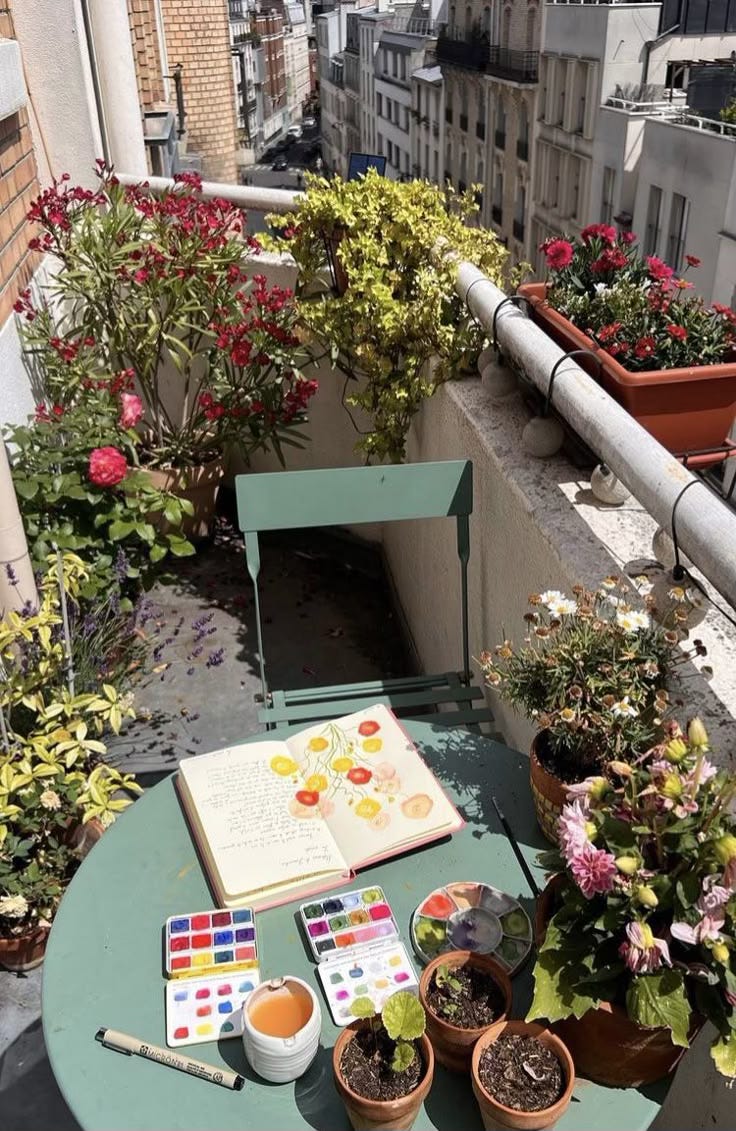
Rest when you need to
Here is something that doesn’t get said enough in conversations about self-improvement: stopping is not the same as quitting. Rest is not a reward you earn after enough effort, it is part of the effort. The people who sustain meaningful work over years and decades are not the ones who never slow down. They are the ones who know when to.
The goal is not a perfect streak. The goal is a life, sustained over time, that actually feels like yours.
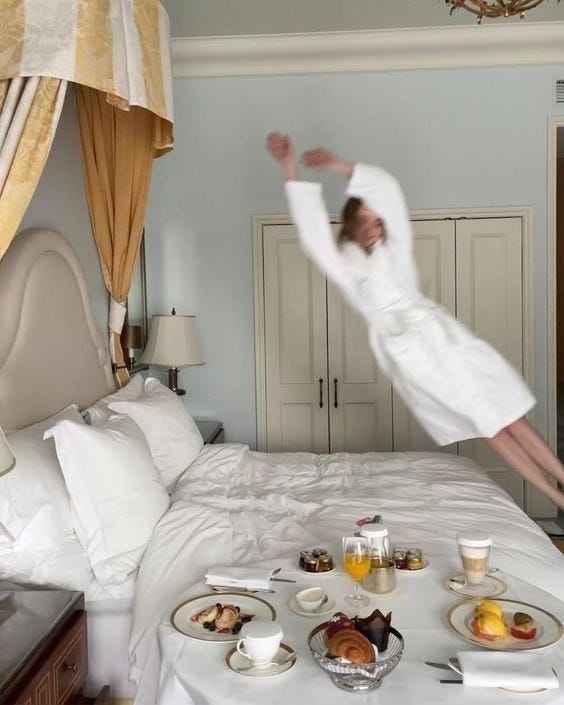
Do it with a childlike wonder
Think about the way a child approaches something new — without self-consciousness, without benchmarking themselves against anyone else, without worrying whether they are doing it correctly or efficiently or impressively.
A child learning to draw does not critique the proportions. A child learning to swim does not feel embarrassed about the splashing. They are simply in it, genuinely curious about what happens next, delighted by small discoveries, unbothered by the mess of the process.
This quality, which most of us slowly unlearn somewhere between childhood and adulthood, is not naivety. It is one of the most powerful things you can bring to anything you’re trying to build.
When you approach your goals with wonder rather than judgment, you stop measuring every effort against some imagined ideal and start actually noticing what is interesting, surprising, and alive about the thing you are doing. You ask better questions. You recover from setbacks faster. You enjoy the process instead of enduring it.
Reclaiming a little of that childlike openness is not about being less serious, it is about being more present. The goal is not just to do things, but to actually enjoy doing things. Because the doing, when met with wonder, stops feeling like effort and starts feeling like living.
In the end, I think we do not need more time, more resources, or a better version of ourselves. We need the small, unglamorous, slightly uncomfortable decision to start and then to keep going, imperfectly, inconsistently at times, but genuinely.
With our why intact. With patience for the boring middles. With rest when we need it. And with just enough childlike wonder to remember that: the building, the stumbling, the showing up, is not the obstacle to a meaningful life. It is a meaningful life.
Thanks for reading and being here. See you on Wednesday.


What you’ll get if you upgrade:
Mondays (Free + Paid): Essays about life skills, anti-rot ideas, romanticizing life and thoughtful ways to make everyday life feel fuller and more intentional
Wednesdays (Paid): How-to guides about the life skills I wish we learned in school: from social skills and creativity to building rituals, hobbies, and a life you genuinely enjoy
Fridays (Free): How to essays, life hacks, and chic anti-rot ideas about making life feel a little more elegant, cozy, and fun
1st of each month (Paid):A monthly anti-rot guidebook built around themed missions, rituals, and a monthly curriculum to help your days feel less repetitive and more alive
15th of each month: (Paid):A cozy life inspiration series filled with reflections, articles, journaling prompts, hobbies, rituals, and creative projects designed to help you enjoy your life more and create moments you don’t just scroll past.
If you’re curious about joining, you can do so here. And if you already are here, thank you. It genuinely means the world to me, this little space wouldn’t exist without you.
So often the version of ourselves in our head becomes a reason to feel behind, when she should simply be inspiration. Real change usually begins much smaller, messier, and more quietly than we expect.
The human mind is not meant for discomfort.
It's a humble servant who wants to be trained.